
EMS, or Electromyostimulation, is a method that uses electrical impulses to stimulate muscle contraction. Over the past few decades, EMS has garnered attention for its ability to enhance physical performance, muscle recovery, and rehabilitation. But beyond these conventional uses, recent scientific studies have begun exploring the potential effects of EMS on cellular health, including mitochondrial function and overall cellular development.
1. Mitochondrial Biogenesis and Function
Mitochondria are the powerhouses of cells, responsible for producing adenosine triphosphate (ATP), the energy currency of the body. Regular physical activity, particularly strength and endurance training, has been shown to increase mitochondrial density, a process called mitochondrial biogenesis. This is crucial for improving energy production, metabolism, and overall cell function.
- Impact of EMS on Mitochondria: Studies have shown that EMS can mimic the effects of regular exercise on muscle fibers. In particular, EMS-induced muscle contractions may stimulate signaling pathways, such as the PGC-1α pathway (Peroxisome proliferator-activated receptor gamma coactivator 1-alpha), that are key regulators of mitochondrial biogenesis. Activation of this pathway leads to the growth of new mitochondria within muscle cells, improving their efficiency in producing ATP.One study published in the European Journal of Applied Physiology showed that EMS training enhanced oxidative enzyme activity in muscles, indicating improved mitochondrial function and increased aerobic capacity.
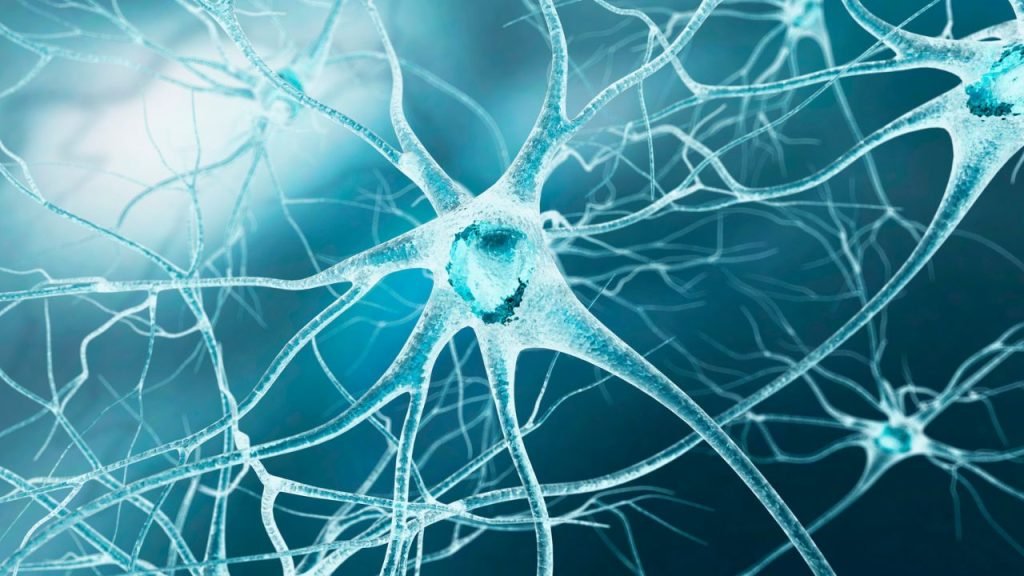
2. Cellular Stress Response and Adaptation
Physical exercise induces mild stress on cells, which triggers adaptive responses to cope with future challenges. EMS has a similar effect on muscles by stimulating contraction in a controlled, repetitive manner.
- Cellular Response to EMS: The electrical impulses from EMS can cause cellular stress that activates the production of Heat Shock Proteins (HSPs). HSPs play a critical role in protecting cells from damage, aiding in protein folding, and promoting cell survival. This stress response can enhance cellular resilience and improve the overall health and repair mechanisms within muscle cells.
3. Muscle Hypertrophy and Cellular Development
Muscle hypertrophy, or the increase in muscle size, results from the cellular processes of muscle fiber damage, repair, and growth. EMS can produce significant muscle contractions, even in deep muscle fibers, leading to micro-damage that stimulates repair and growth mechanisms.
- Protein Synthesis and EMS: EMS can increase the activation of satellite cells, which are crucial for muscle repair and growth. Satellite cells fuse with muscle fibers, contributing to protein synthesis and increasing the cross-sectional area of muscle fibers. As protein synthesis accelerates, muscle cells undergo development, making them stronger and more efficient.
- Myofibrillar Protein Synthesis: A study published in the Journal of Strength and Conditioning Research found that EMS enhances the rate of myofibrillar protein synthesis, particularly in type II muscle fibers, which are responsible for explosive strength and power. These effects are comparable to those seen in conventional resistance training, indicating that EMS can promote muscle growth and cellular development through increased protein turnover.

4. Enhanced Blood Flow and Nutrient Delivery
EMS has been shown to improve local blood circulation by stimulating muscle contractions. This increase in blood flow ensures that cells receive an adequate supply of oxygen and nutrients, which are vital for mitochondrial function and overall cellular health.
- Vascular Effects of EMS: Increased blood flow enhances oxygen delivery to tissues and supports the removal of metabolic waste products. This is crucial for mitochondrial respiration, as oxygen is essential for the production of ATP. Better circulation also aids in the delivery of essential nutrients like amino acids, which are necessary for muscle repair and cellular development.
5. Insulin Sensitivity and Glucose Uptake
Mitochondria play a key role in glucose metabolism. EMS training can improve insulin sensitivity, allowing cells to use glucose more efficiently. This is particularly important for mitochondrial function, as glucose is a primary energy substrate for ATP production.
- Effect on Glucose Transporters: EMS has been shown to increase the activity of glucose transporter type 4 (GLUT4), which facilitates glucose uptake into muscle cells. Improved glucose uptake enhances energy availability for cellular processes, including those occurring in mitochondria, thereby supporting better mitochondrial health and function.
Conclusion
EMS can have profound effects on cellular development and mitochondrial health by mimicking the physiological responses seen in traditional exercise. It stimulates mitochondrial biogenesis, enhances cellular stress responses, promotes muscle hypertrophy, and improves blood flow and nutrient delivery to muscle cells. These mechanisms are scientifically supported and suggest that EMS may indeed have beneficial effects not just on the muscles but also at the cellular level, improving overall cellular health and function.
With its ability to reach deep muscle fibers and activate muscle contractions, EMS presents a potential tool for enhancing mitochondrial efficiency and cellular development, contributing to better metabolic health and energy production.
Why Doesn’t Anyone Tell Us This? The Shocking Truth Behind Sickness, Sugar & The Health Industry
The healthcare industry is built on sickness—not wellness. Doctors, hospitals, and pharmaceutical companies rely on a constant flow of sick patients to survive financially. Shockingly, sugar—8 times more addictive than cocaine—is linked to over 80% of global diseases, yet remains legal and hidden in everyday foods. This fuels a system that manages disease instead of preventing it.

At BODY TIME, we focus on real health, aiming to help people worldwide achieve perfect health easily and quickly through smart fitness solutions that seamlessly fit into anyone’s daily life and routines.
Our game-changing innovation, the iBody EMS Training System, delivers full-body training in just 10–20 minutes a week—no gym, no trainer, and no wasted time.
Beyond health, we empower entrepreneurs with a high-impact franchise opportunity, giving them the chance to build a thriving business by helping others live pain-free, fit, and fulfilled.
Take back your health. Transform lives. Join the BODY TIME movement today.
Ready to take the first step? Fill out the form below and discover how e
